.
Besides, what other conditions are caused by dermatophytes?
Types of infections
- Tinea pedis or athlete's foot.
- Tinea cruris or jock itch.
- Tinea corpora or ringworm of the body.
- Tinea faciei or facial ringworm.
- Tinea capitis or scalp ("blackdot") ringworm.
- Tinea manuum or ringworm of the hands.
- Onychomycosis, tinea unguium, or ringworm of the nail.
- Tinea incognito.
Also Know, where are dermatophytes found? o Dermatophytes are fungi that are most commonly found on the skin and hair of animals and people. Skin infection caused by dermatophytes is referred to as ringworm, tinea, dermatophytosis or dermatomycosis.
Herein, what part of the skin does ringworm affect?
Ringworm is a common fungal skin infection otherwise known as tinea. Ringworm most commonly affects the skin on the body (tinea corporis), the scalp (tinea capitis), the feet (tinea pedis, or athlete's foot), or the groin (tinea cruris, or jock itch).
How does tinea infection occur?
Tinea is a contagious fungal skin infection. The most commonly affected areas include the feet, groin, scalp and beneath the breasts. Tinea can be spread by skin-to-skin contact or indirectly through towels, clothes or floors. Tinea is also known as ringworm, which is a misleading name as no worm is involved.
Related Question AnswersHow do you get rid of dermatophytes?
Ringworm on the skin like athlete's foot (tinea pedis) and jock itch (tinea cruris) can usually be treated with non-prescription antifungal creams, lotions, or powders applied to the skin for 2 to 4 weeks. There are many non-prescription products available to treat ringworm, including: Clotrimazole (Lotrimin, Mycelex)How do you treat dermatophytes?
Generally, the treatment for dermatophyte infections is topical antifungals. Oral antifungals (e.g., terbinafine, griseofulvin) are always used in tinea capitis and are also used for severe, refractory cases of other kinds of tinea. Concomitant tinea infections in household members or pets should be treated as well.Does bleach kill dermatophytes?
While substances such as bleach, isopropyl alcohol, vinegar, and concentrated hydrogen peroxide are helpful in destroying dermatophytes on surfaces10, the concentrations and number of applications required to kill the dermatophytes will likely cause a breakdown in skin, increased aging, increased redness, and theHow many types of dermatophytes are there?
There are three types of dermatophytes, unrelated to the three genera (White et al. 2008). Some dermatophyte species have only been found on humans and are assumed to be human-specific. Such species are termed anthropophilic and include T.How long can dermatophytes live?
The fungal spores can also stay alive on clothing, bedding, and elsewhere as long as their food supply (dead skin cells) is present, and they have a moist and warm environment. Spores can live for as long as 12 to 20 months in the right environment.How do you shower with ringworm?
Ringworm Prevention- Take a shower or bath every day (especially after playing sports and sweating) and dry off completely.
- Wear clean clothing.
- Change your clothes every day.
- Use clean towels and don't share towels or clothes.
- Wash your hands well with soap and water after playing with pets.
What causes dermatophytes?
Dermatophytes are fungal organisms that require keratin for growth. These fungi can cause superficial infections of the hair, skin, and nails. Dermatophytes are spread by direct contact from other people, animals, soil, and from fomites.What do dermatophytes feed on?
The three genera of dermatophytes are Trichophyton, Microsporum, and Epidermophyton. Some of these organisms grow only on human hosts (anthropophilic), whereas others can also exist in soil (geophilic) or on animals (zoophilic). All the dermatophytes are keratinophilic (i.e., they feed on keratin).Does rubbing alcohol kill ringworm?
Isopropyl alcohol will kill the ringworm fungus.Is ringworm a worm or a fungus?
Ringworm, also known as dermatophytosis, dermatophyte infection, or tinea, is a fungal infection of the skin. “Ringworm” is a misnomer, since a fungus, not a worm, causes the infection. Ringworm infection can affect both humans and animals.Can I still workout with ringworm?
These fungal infections certainly aren't pleasant, but now that you're familiar with the signs, symptoms, and treatments, you don't need to fear for your health or avoid the gym or pool. The gym is still a great and healthy place where the benefits of going outweigh the risks.Is fungus a bacteria or virus?
Fungi (plural for fungus) are different from both viruses and bacteria in many ways. They are larger, plant-like organisms that lack chlorophyll (the substance that makes plants green and converts sunlight into energy). Most fungi are multicellular (made up of many cells), with the exception of the yeasts.Why do I keep getting ringworm?
You can get ringworm of the skin by sharing contaminated towels, clothing, and sports equipment, and by direct contact with an infected person. Ringworm of the skin (tinea corporis) is most commonly caused by the fungus Trichophyton rubrum, which spreads from one person to another.How does ringworm start?
Ringworm typically starts out as red or pink skin patches (or spots) that may be either flat or slightly raised. In this initial stage, the sores may be moist, but more often they're dry, scaly, and itchy. If you scratch the rash you may break the skin, which could lead to a bacterial infection.Is it ringworm or something else?
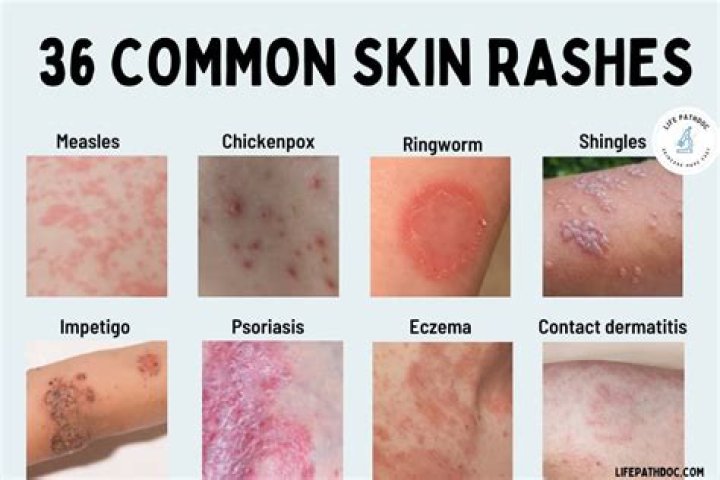
Ringworm, also called dermatophytosis or tinea, is a fungal infection of the skin. In spite of its name, ringworm isn't caused by a worm. Ringworm is a contagious skin infection causing a small, itchy, ring-shaped rash. It's not a worm.How do I get rid of ringworms?
- Apply a topical antifungal. Most cases of ringworm can be treated at home.
- Let it breathe. It may seem logical to keep ringworm covered with a bandage to prevent spreading the infection.
- Wash bedding daily.
- Change wet underwear and socks.
- Use an antifungal shampoo.
- Take a prescription antifungal.