What does it mean to have a naturally aspirated engine?

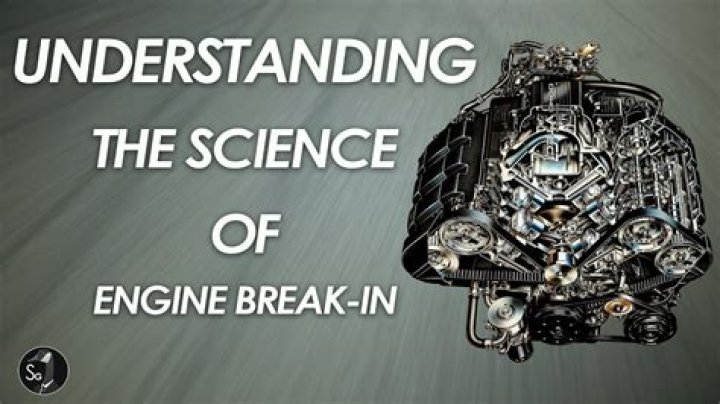
A naturally aspirated engine, sometimes known as a normally aspirated engine, is an internal combustion engine in which oxygen intake depends solely on atmospheric pressure and does not rely on forced induction through a turbocharger or a supercharger.

.

Also to know is, why is a naturally aspirated engine better?

The benefit of a naturally aspirated engine is that they are in general more reliable than forced induction engines, or engines that rely on a turbo or supercharger. The big drawback is that to have a high-output naturally aspirated car usually means having a large, heavy and petrol guzzling engine.

One may also ask, what is the difference between naturally aspirated? A naturally aspirated engine is an internal combustion engine in which the air intake relies solely on atmospheric pressure, which is the exact opposite of the force induction turbocharged engines use. A naturally aspirated engine doesn't have this issue, but loses out on that power boost.

In respect to this, how does naturally aspirated engine work?

A naturally aspirated ICE is a car whose air intake is at atmospheric pressure. A boosted air intake engine uses a small air compressor to force more air mass (Specifically containing more oxygen) to improve combustion efficiency and burn more fuel in the same displacement.

What is the best naturally aspirated engine?

Here's a look back at some of the best free-breathing engines we'll miss.

  • Fantastic Four: The Honda S2000.
  • Bavarian Six: the BMW M3.
  • Pancake stack: Porsche 911 GT3.
  • The Heartbeat of America: Corvette Z06.
  • Blue Oval Blues: the Mustang GT350.
  • Banzai Banshee: the Lexus LFA.
  • Big Ten: the Dodge Viper.
Related Question Answers

Do naturally aspirated engines last longer?

Generally, naturally aspirated motors will last longer than turbo motors.

What cars have naturally aspirated engines?

The Modern Naturally Aspirated Cars List
  • 460 HP 6.2 L LT1 V8 – Chevrolet Corvette Stingray/Grand Sport.
  • 467 HP 5.0 L 2UR-GSE V8 – Lexus RC F.
  • 475 HP Hemi V8 – Jeep Grand Cherokee SRT/Dodge Durango SRT.
  • 500 HP Flat-6 – Porsche 911 GT3.
  • 550 HP V12 – Aston Martin Rapide S.
  • 580 HP V12 – Aston Martin Vanquish S.

What is the most powerful naturally aspirated engine?

The most powerful naturally aspirated vehicle on sale today is the Ferrari 812 Superfast with a 6.5-liter V12 making 789 hp (588 kW). It appears that Cosworth's new engine should be considerably more power even if the 1,130 horsepower isn't entirely from the naturally aspirated powerplant.

Do turbo engines last long?

A turbocharged engine has more components than a naturally-aspirated (non-turbo) motor. That said, there are many turbo engines that can last long. Take, for example, the turbodiesel in the Mark IV Volkswagen Golf / Jetta (from early 2000's). Many of them are going well past 200K miles with good maintenance.

Are turbo engines high maintenance?

Turbocharged engines will require more frequent oil changes and fresh spark plugs, though turbo engines typically don't require additional service compared to naturally aspirated engines.

Can you turbocharge a naturally aspirated engine?

As much as your local car club might like you to think it, turbocharging a naturally-aspirated car isn't simple. Of course, adding a turbo means you'll need to think about compression ratio, ECU mapping, and fuel delivery.

What is DOHC naturally aspirated?

A naturally aspirated engine, sometimes known as a normally aspirated engine, is an internal combustion engine in which oxygen intake depends solely on atmospheric pressure and does not rely on forced induction through a turbocharger or a supercharger.

What is the fastest naturally aspirated car?

The world's fastest naturally aspirated cars
  • Lamborghini Huracán - 3.2 seconds.
  • Audi R8 V10 Plus - 3.2 seconds.
  • Ferrari LaFerrari - 2.9 seconds.
  • Ferrari F12tdf - 2.9 seconds.
  • Radical RXC - 2.8 seconds.
  • Porsche 918 Spyder - 2.8 seconds.
  • Lamborghini Aventador SV - 2.8 seconds.
  • BAC Mono - 2.8 seconds.

Is my engine naturally aspirated?

A naturally aspirated engine is an internal combustion engine in which air intake depends solely on atmospheric pressure and which does not rely on air forced through a turbocharger or a supercharger. Many sports cars use naturally aspirated engines due to their lack of a turbo lag.

Do naturally aspirated engines sound better?

Larger displacement engines sound better, they deliver power in a more linear fashion which some people prefer, and having no turbine in the way of the exhaust means a naturally aspirated engine likely sounds better than a turbocharged engine of the same cylinder count/displacement.

Is VTEC naturally aspirated?

VTEC TURBO Fuel Efficient Under Any Condition For city driving, a 2.4L naturally-aspirated engine produces high torque because of its displacement. The VTEC TURBO engine produces more torque than the 2.4L naturally-aspirated engine, thanks to its turbo.

Are Mustangs naturally aspirated?

Porsche isn't the only brand hanging onto its traditional naturally-aspirated engines. Look at the American muscle car trio -- the Ford Mustang, Chevy Camaro and Dodge Challenger. All three cars come with old-fashioned V8s under the hood in the GT, SS and R/T trims -- the way the automotive gods intended.

Does naturally aspirated mean carburetor?

A naturally aspirated engine gathers its air solely by the act of drawing it in through a carburetor or throttle body by the piston pulling down into the cylinder and creating a suction.

What does torque mean?

Torque is the amount of “turning power” you have, in the same way that you turn a wrench. 369 foot-pounds means that if you had a wrench that was 1 foot long, and applied a force of 369 pounds directly perpendicular to that wrench, you would get 369 foot-pounds of torque.

What causes turbo lag?

What Is Turbo Lag? And How Do You Get Rid Of It? The lag comes from the time it takes the engine to create enough exhaust pressure to spin the turbo and pump compressed intake air into the engine and is longest when the engine is in a low-rpm, low-load cruising situation.

Is fuel injection naturally aspirated?

Fuel injection in normally (naturally) aspirated compression ignition diesel engines is used to control the fuel amount only. The air is commonly not modulated except for compression braking, if so equipped. Fuel control is by throttle body, port, or direct cylinder injection.

Is turbo engine better than normal engine?

For turbocharged engines, an air compressor is utilised before the intake. They take in air at higher atmospheric pressures, meaning that they can burn more fuel and produce more power than a regular engine with the same displacement. The latter is much more powerful and lighter, but it takes in more fuel.

Is a turbocharged engine faster?

The turbine in the turbocharger spins at speeds of up to 150,000 rotations per minute (rpm) -- that's about 30 times faster than most car engines can go. And since it is hooked up to the exhaust, the temperatures in the turbine are also very high.

Why do turbo engines have more torque?

Turbos also give engines more torque – often lower down in the rev range. This means they feel much stronger around town where the extra torque makes nipping into gaps easier. Another, unexpected, advantage is that turbos actually make for a quieter engine as they muffle the sound of the intake.

You Might Also Like