Treating a Pulled Back Muscle in 8 Steps
- Apply cold.
- Use compression.
- Rest.
- Stretch.
- Pain medication.
- Perform strength exercises.
- Get a massage.
- Apply heat.
.
Moreover, why do I keep pulling muscles in my back?
It can also be caused by emotional stress, improper posture, being overweight, out of shape, or sitting in the same position for long periods of time. Even a severe cough can result in low back strain. Keep in mind that low back strain can't be blamed for all back pain.
Beside above, what does a pulled back muscle feel like? Symptoms to expect from a pulled lower back muscle—or any type of lower back strain—typically include: Dull, achy low back pain. Strained muscles usually feel sore, tight, or achy. Pain that feels hot, tingling, or electric is more likely caused by an irritated nerve root, not a pulled muscle.
Also question is, how long does a pulled back muscle take to heal?
Compared to many other kinds of back injuries, a pulled muscle is usually straightforward to diagnose and easy to treat, and symptoms usually resolve within 4 to 6 weeks. Some severe muscle injuries, such as a complete muscle tear, can take months to heal.
Why do I strain my back so easily?
Back Strain Causes Basically the reason is poor local joint control. The main reason for this is poor or non-existent muscle activation of the deep core stability muscles. The good news is poor core stability can be easily corrected to prevent back pain.
Related Question AnswersHow do you know if back pain is muscular?
Signs and symptoms of back pain can include:- Muscle ache.
- Shooting or stabbing pain.
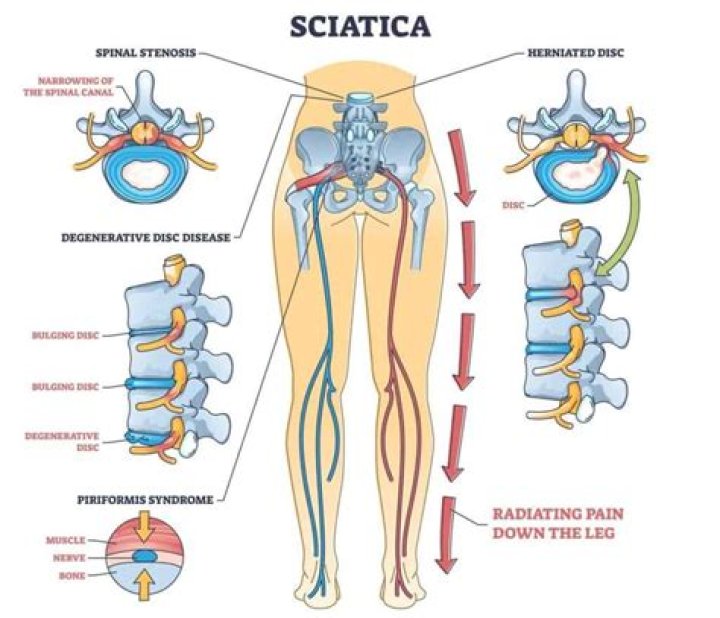
- Pain that radiates down your leg.
- Pain that worsens with bending, lifting, standing or walking.
- Pain that improves with reclining.
How many days rest for lower back pain?
Bed rest is usually considered an efficient treatment for acute low back pain. However, the optimal duration of bed rest is still being discussed. The recommended periods vary from 2 days to 2 weeks.Is walking good for lower back pain?
People with ongoing or recurrent episodes of lower back pain should consider the benefits of walking as a low-impact form of exercise. Aerobic exercise has long been shown to reduce the incidence of low back pain. For some back conditions, walking will aggravate or cause too much pain to be bearable.What exercises help back pain?
10 Best Exercises to Relieve Lower Back Pain- Lower Tummy Strengthening. It is important to strengthen your lower tummy muscles because these muscles work in partnership with the lower back.
- Bird Dog. Mobilising your lower back is important to aid it's recovery.
- Bridge.
- Pelvic Tilts.
- Lower Back Stretch.
- Leg Stretch.
- Hip Stretch.
- Spine Stretch.
Should I stretch a pulled muscle?
While it may seem counterintuitive, stretching a strained muscle only makes it worse. Your best bet involves avoiding any movement that agitates the affected area and continue to rest until the pain subsides. Light stretching can assist with a minor strain, but only if incorporated a few days after the injury occurred.Why do I keep hurting my back?
Spine-Related Problems Back pain often happens because something is off in the way your spinal joints, muscles, discs, and nerves fit together and move. Your doctor can check to see if you have: Herniated discs can cause pain in your lower back or hip because the nerves there are pressed.How do you strengthen your back muscles?
To perform lying lateral leg lifts:- Lie on one side with the legs together.
- Keep the lower leg slightly bent.
- Draw the bellybutton into the spine to engage the core muscles.
- Raise the top leg about 18 inches, keeping it straight and extended.
- Hold the position for 2 seconds.
- Repeat 10 times.
Did I pull a muscle in my back?
Symptoms of a strain or sprain include: Pain that gets worse when you move. Muscle cramping or spasms (sudden uncontrollable muscle contractions) Decreased function and/or range of motion of the joint (difficulty walking, bending forward or sideways, or standing straight)How should I sleep with a pulled back muscle?
If you sleep on your side, put the pillow between your knees and draw them up slightly toward your chest. If you like to sleep on your back, try the pillow under your knees, or roll up a small towel and place it under the small of your back. Avoid sleeping on your stomach because it puts a lot of strain on your back.Should you massage a pulled back muscle?
Massage therapy can provide substantial healing and pain relief for many lower back problems. Specifically, for pain caused by a back strain, when the correct muscle is targeted, the pain can be controlled at its source—for quicker and lasting relief.What causes a catch in the back?
Causes. Share on Pinterest Common causes of lower back spasm are poor posture, arthritis, strains, and nerve damage. In some people, the cause may be something relatively minor, such as a mild strain. In other people, a serious underlying condition may be responsible, such as a herniated or ruptured spinal disc.What is better for a pulled back muscle heat or cold?
Use cold first and then apply heat for acute back pain. Lowering the body temperature will help constrict the blood vessels, reduce swelling, decrease inflammation, and cause a numbing effect. When you apply heat, it improves the flexibility of soft tissues, movement of muscles, and overall functioning of the back.Can you take time off work for back pain?
Recommended exercises for back pain include walking and gentle stretching. Your back pain may be so severe that you need to have some time off work. However, if this is the case, you should aim to return to work as soon as possible.How do you know if your back injury is serious?
Symptoms of serious back injury- difficulty breathing or shortness of breath.
- numbness or pins and needles to the arms, legs, hands or feet.
- paralysis.
- blood in the urine.
What happens when you pull a muscle?
A muscle strain, or pulled muscle, occurs when your muscle is overstretched or torn. These strains can cause pain and may limit movement within the affected muscle group. Mild to moderate strains can be successfully treated at home with ice, heat, and anti-inflammatory medications.When should I go to the doctor for lower back pain?
Here are five signs you should see a doctor for your neck or back pain:- Your pain doesn't go away or you have shooting pain down your arms or legs.
- Weakness, numbness or tingling in your arms and legs.
- Nighttime pain.
- Fever along with back pain or weight loss.
- Problems with balance or controlling your bowels or bladder.
How do you tell if you've pulled a muscle?
Symptoms of muscle strain include:- Swelling, bruising, or redness due to the injury.
- Pain at rest.
- Pain when the specific muscle or the joint in relation to that muscle is used.
- Weakness of the muscle or tendons.
- Inability to use the muscle at all.